When it comes to storing your belongings securely in London, it’s essential to know your options to ensure peace of mind. Whether you’re moving house, decluttering, or need a temporary space to store your treasures, understanding the ins and outs of secure storage can be a lifesaver. With a bustling city like London, where space is often at a premium, finding the right storage solution can seem overwhelming. This guide is here to demystify the process, offering practical advice and insights to help you make informed decisions. From choosing the ideal location to understanding security features, we’ll cover everything you need to know to keep your items safe and sound.
When considering secure storage in London, it’s vital to understand the range of options available. From traditional storage facilities to more specialised services, knowing what’s out there can help you choose the best solution for your needs.
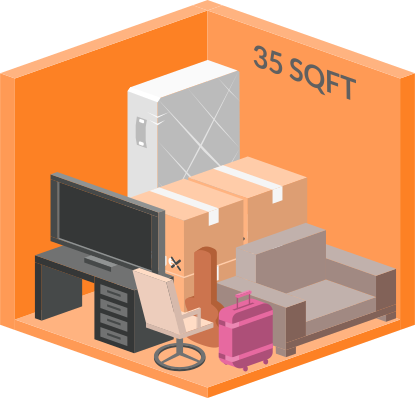
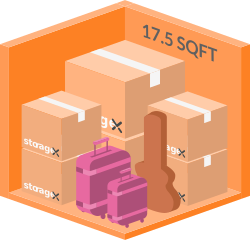
Secure storage encompasses a variety of options designed to keep your belongings safe. Basic self-storage units offer a simple solution for those needing extra space. These are typically available in various sizes, allowing for flexibility based on your requirements.
For more sensitive items, climate-controlled units maintain a stable environment, protecting items from temperature fluctuations and humidity. This is ideal for antiques, electronics, and important documents.
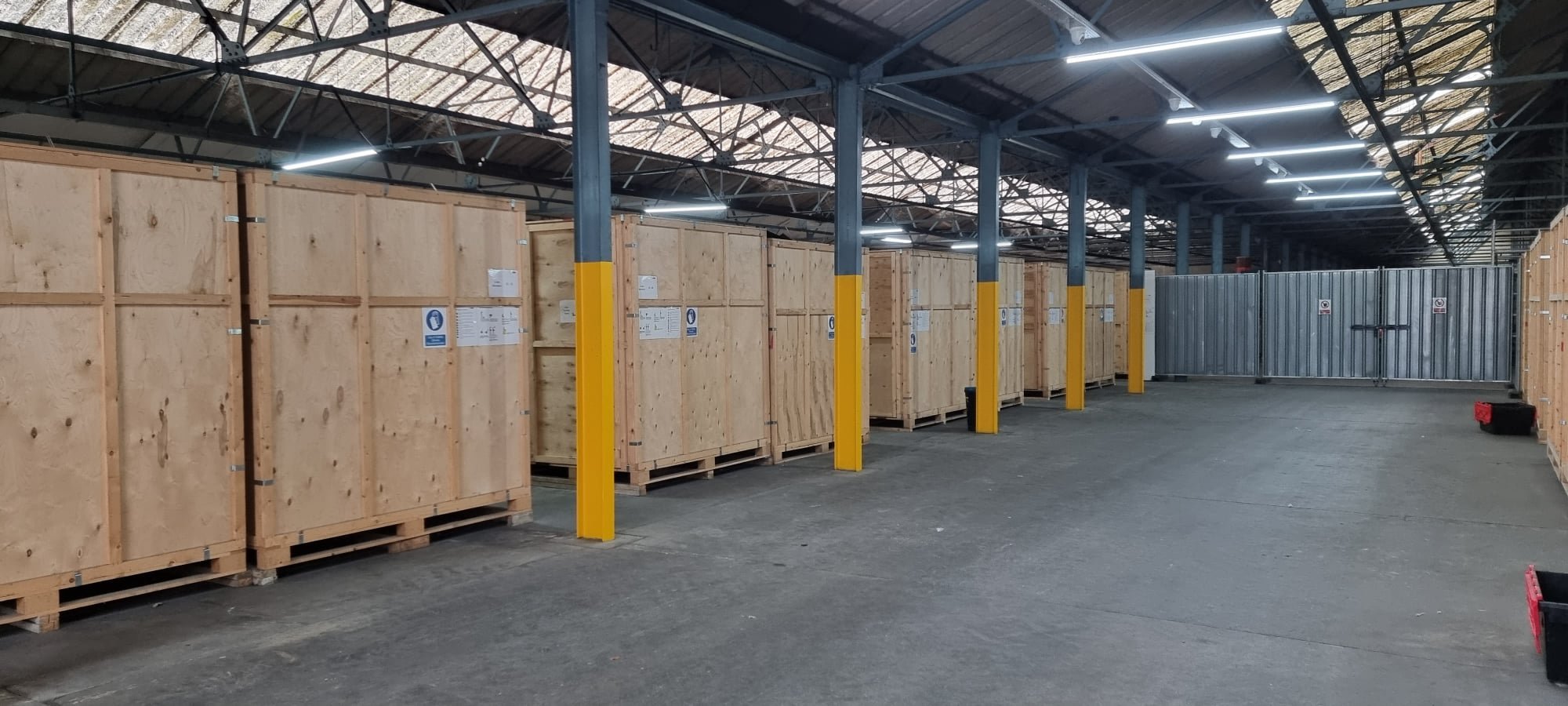
Another option is secure warehouse storage, which is suitable for businesses needing to store inventory or equipment. This type of storage often includes added security measures, such as CCTV and 24-hour surveillance.
Understanding these types helps you match your storage needs with the appropriate solution.
Selecting the right storage facility involves considering several factors to ensure your items are secure. First, assess the facility’s security measures, such as gated access, surveillance cameras, and on-site staff. These features deter potential theft and provide peace of mind.
Next, consider the facility’s location and accessibility. Proximity to your home or office is important, particularly if you need frequent access. Evaluate the facility’s operating hours and ease of access, such as drive-up access or lifts for upper floors.
Finally, investigate the facility’s reputation. Online reviews and testimonials can offer insights into others’ experiences. A well-regarded facility will often prioritise customer service and maintain cleanliness and security standards.
Secure storage facilities often incorporate a range of features to protect your belongings. Access control systems ensure only authorised individuals can enter the premises, while surveillance cameras monitor activity around the clock.
Some facilities employ on-site security personnel, adding an additional layer of protection. Alarm systems, both for individual units and the entire facility, can deter unauthorised access.
Other common features include well-lit premises, which enhance visibility and safety, and secure fencing around the property. These measures collectively contribute to a robust security environment.
The location of your storage unit significantly impacts convenience and security. Understanding the pros and cons of different locations can help you make an informed decision.
Choosing between a central or suburban location for storage involves balancing convenience and cost. Central locations offer proximity and easy access, making them ideal for city dwellers who need regular access to their belongings. However, these units often come with a higher price tag due to premium real estate costs.
In contrast, suburban locations typically offer more competitive pricing and larger units. This can be advantageous if you require more space for storage. However, they might be less convenient for frequent visits, especially if you rely on public transport.
Evaluate your priorities and decide based on your specific needs.
Storage accessibility is crucial, especially if you plan to visit frequently. Consider the facility’s proximity to major transport links, such as train stations, bus routes, and motorways. Easy access can save time and reduce transportation costs.
For those using public transport, check for nearby stops and their schedules. If driving, ensure the facility has ample parking and convenient loading areas. Facilities with extended access hours or 24/7 access can be beneficial for those with unpredictable schedules.
Assess these factors to ensure your chosen location meets your accessibility needs.
The safety of the surrounding neighbourhood can influence the security of your storage unit. Research the area’s crime rates and look for any local security issues.
Engage with locals or read online reviews to gain insight into the area’s reputation. A safe neighbourhood can provide added peace of mind, knowing your belongings are stored in a secure environment.
Additionally, observe the immediate surroundings of the facility. Well-maintained areas with good lighting and visible security measures are indicators of a secure environment.
Understanding the costs associated with secure storage helps you make a budget-friendly decision. Various factors influence pricing, and being aware of these can prevent unexpected expenses.
Storage facilities often use different pricing models, affecting the overall cost. The most common model is monthly rental, where you pay a fixed amount based on the unit size and location.
Some facilities offer discounts for long-term leases, which can be beneficial if you need storage for an extended period. Additionally, introductory offers or promotions may reduce initial costs.
Be sure to understand what is included in the price, such as insurance or additional security features. This ensures you receive value for your investment.
When selecting a storage facility, be mindful of potential hidden fees. These can include administrative fees, insurance charges, or late payment penalties.
Some facilities may charge for additional services, such as accessing your unit outside regular hours or using on-site trolleys and equipment. Always review the contract thoroughly to avoid surprises.
Clarify any ambiguities with the facility staff before committing to a lease. Understanding the full cost structure helps in budgeting effectively.
Balancing cost with the value offered by the storage facility is essential. While it may be tempting to choose the cheapest option, ensure the facility meets all your security and accessibility needs.
Consider the quality of services provided, such as security measures, cleanliness, and staff professionalism. A slightly higher cost may be justified by superior services and peace of mind.
Evaluate customer reviews and testimonials to gauge the perceived value of the facility. Making a cost-effective decision involves weighing both tangible and intangible benefits.
Proper preparation of your items ensures they remain in good condition during storage. Implementing effective strategies can simplify the process and enhance security.
Packing your items securely is crucial. Use sturdy boxes and avoid overloading them to prevent damage. Wrap fragile items in bubble wrap or packing paper for added protection.
Label boxes clearly with their contents and indicate if they are fragile. This ensures careful handling and easy identification later on. Use uniform-sized boxes to maximise space and maintain stability when stacking.
Consider using pallets or shelving to keep items off the floor, protecting them from potential water damage. These strategies help maintain the integrity of your belongings.
Creating an inventory of stored items is a good practice. List each item’s location within the unit for easy retrieval. Number boxes and reference them in your inventory for quick identification.
Regularly update your inventory as items are added or removed. This helps in keeping track of your belongings and ensures nothing is misplaced.
Labelling boxes with specific categories or rooms simplifies the unpacking process. Clear organisation reduces stress when accessing stored items.
Insurance offers an additional layer of protection for your stored items. Check whether your current insurance policy covers items in storage or if you need a separate plan.
Evaluate the facility’s insurance offerings and compare them with third-party options. Consider factors such as coverage limits, exclusions, and premiums.
Having an adequate insurance plan provides peace of mind, ensuring compensation in case of unforeseen events such as theft or damage.
Handling legal and insurance elements effectively can prevent complications down the line. Understanding these aspects is vital for a smooth storage experience.
Reading and understanding your storage contract is essential. Pay attention to key terms, such as rental duration, payment terms, and termination policies.
Ensure you understand the facility’s liability for lost or damaged items. Clarify any ambiguities with the staff before signing.
A clear understanding of the contract’s stipulations helps in avoiding misunderstandings and potential disputes.
Different facilities have varying insurance requirements. Some may include basic coverage in their pricing, while others might require you to purchase additional insurance.
Evaluate your needs and compare available options. Consider factors such as coverage limits and exclusions.
Having adequate insurance ensures your items are protected in the event of unforeseen circumstances, providing peace of mind throughout the storage period.
In the event of disputes with the storage facility, it’s important to know your options. Start by discussing the issue directly with the facility staff to seek a resolution.
If this proves unsuccessful, review your contract for specified dispute resolution processes. Consider seeking legal advice if necessary.
Document all communications and keep records of any agreements reached. A proactive approach helps resolve issues efficiently and amicably.






Email
[email protected]
Call Us
0203 0895 535