Finding the right long-term storage solution in London can seem like a daunting task, with various options available across the city. Whether you’re downsizing, moving abroad, or simply need extra space for your treasured belongings, choosing the best storage facility is crucial. In a bustling city like London, where space comes at a premium, understanding the different types of storage solutions and what they offer is essential. This guide will navigate you through the key considerations and practical tips for selecting the ideal storage option, helping you make a well-informed decision. Let’s delve into the world of long-term storage and discover how you can keep your possessions safe and secure.
Long-term storage solutions can be a lifesaver in a bustling city like London, where space is limited and expensive. Understanding what you need before you start looking is key to finding the right option.
To begin with, assess what items you need to store and why. Are you downsizing, or do you need temporary storage while you transition to a new home? Identifying your primary purpose will help narrow down the facilities that cater to your specific requirements. Also, consider the duration for which you’ll need storage. Understanding these factors will significantly influence your decision-making process.
Next, think about the value and condition of your items. Are they replaceable if damaged, or do they hold sentimental value? This will dictate the level of security and climate control you may need. Reflecting on these aspects ensures that you choose a facility that aligns with your needs.
Finally, determine if you require any extra services, such as transportation or insurance. Some facilities offer these as part of their package, which could be beneficial if you need comprehensive service. Consider your budget alongside these needs to find a package that suits you best.
Determining the exact space you need can be tricky. Begin by making a list of all the items you intend to store. Group them by size and fragility. This will provide a clear picture of your storage needs.
Once you have your list, measure large items and estimate those of smaller items. Create a rough layout of how you’d like them to be stored. This helps in visualising the space required and prevents overestimating or underestimating.
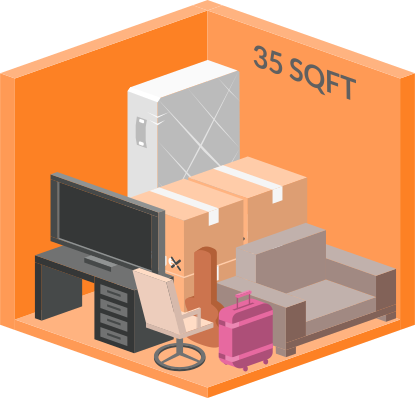
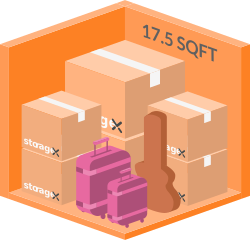
If you’re unsure, many storage facilities offer guidance on space estimation. They can provide virtual tours or diagrams that illustrate how much fits in certain unit sizes. Consider these resources to avoid renting more space than you need, saving you money in the long run.
Choosing the right facility involves more than just proximity to your home. Considerations like security and accessibility are equally important.
When selecting a storage facility, location is a major factor. Ideally, the facility should be within a reasonable distance of your home or workplace. This makes it convenient for regular visits.
Assess transport links and ease of access. Facilities near major roads or public transport can save time and reduce travel costs. Consider the frequency of your visits to decide on proximity.
Additionally, evaluate the surrounding area. Is it safe and well-lit? Facilities in secure neighbourhoods often provide peace of mind. Weigh these factors to ensure your chosen facility meets your needs.
Security is paramount when storing valuable items. Start by checking if the facility has 24-hour surveillance and security personnel. These measures deter potential theft and ensure the safety of your belongings.
Look for features like gated access and individual unit alarms. These add layers of protection, giving you confidence that your items are safe. Knowing these features exist can ease any concerns about long-term storage.
Finally, ask about the facility’s insurance policies. Some facilities offer coverage for stored items, which can be reassuring. Understanding their security measures helps you make an informed decision.
Proper packing is crucial for maintaining your items’ condition. This section covers materials and tips for efficient packing to protect your belongings.
Having the right materials ensures your items stay intact. Start with sturdy boxes of various sizes. These are essential for organising and protecting your belongings.
Invest in bubble wrap and packing paper. These materials provide cushioning, reducing the risk of damage during transport. Always use quality packing materials to maximise protection.
Consider purchasing plastic containers for items sensitive to moisture or pests. These are ideal for long-term storage and offer an additional layer of security. Gather these materials before packing to streamline the process.
Efficient packing begins with a plan. Label each box clearly with its contents and the room it belongs to. This ensures easy retrieval when you need specific items.
Wrap fragile items individually in bubble wrap or packing paper.
Fill empty spaces in boxes with packing peanuts to prevent shifting.
Disassemble large furniture to save space and reduce the risk of damage.
When stacking boxes in storage, place the heaviest at the bottom. This prevents damage to lighter items and maintains stability. Adhering to these tips simplifies the packing process and protects your items.
Once your items are in storage, maintaining their condition is crucial. Regular check-ups and climate control can make a significant difference.
Regular visits to your storage unit are essential. Inspect your items for signs of damage or pests. Early detection can prevent further problems.
When visiting, ensure boxes are intact and free from moisture. This helps in identifying any leaks or humidity issues. Regular check-ups keep your belongings in optimal condition.
If possible, rearrange items to prevent crushing or distortion. Moving things around occasionally helps in maintaining their shape and condition. Staying proactive with maintenance reduces the risk of long-term damage.
Climate-controlled units are vital for sensitive items. These units maintain consistent temperature and humidity levels, crucial for preserving items like electronics, documents, and antiques.
Ask the facility about their climate control systems. Ensure they offer the consistency needed for your items. Climate control helps avoid issues like mould and warping.
For items requiring specific conditions, consult with facility staff for recommendations. Understanding your needs ensures you select the right type of storage environment. This pre-emptive step protects your valuables effectively.
Budgeting effectively avoids unexpected costs. Understanding the full cost and potential hidden fees is key when choosing a storage solution.
When comparing costs, consider more than just the monthly fee. Factor in insurance, access fees, and additional services.
|
Feature |
Facility A |
Facility B |
|---|---|---|
|
Monthly Rent |
£100 |
£110 |
|
Insurance Coverage |
Included |
£10 |
|
24/7 Access |
£5 extra |
Included |
Comparing these aspects provides a clearer picture of value. Ensure you understand what you’re paying for to avoid surprises.
Calculate the total cost over the duration you plan to store items. This helps in budgeting accurately and selecting a facility that fits within your financial plan.
Hidden fees can catch you off guard. Read the contract carefully for any clauses about administrative fees, late payment charges, or penalties for early termination.
Ask directly about any potential hidden charges. A reputable facility will provide a transparent breakdown of all costs. Being aware of these fees ensures you budget accurately.
Finally, enquire about any promotions or discounts available. These can significantly reduce costs, making storage more affordable. Taking time to understand and question these fees saves money and stress.








Email
[email protected]
Call Us
0203 0895 535